Outdoor LED Screen Installation: A Practical Guide
Installing an outdoor LED screen requires more than mounting display cabinets and connecting power. A successful project considers structural support, environmental exposure, electrical requirements, access for maintenance and the viewing conditions at the site.
Updated 28 September 2026
Assess the site before selecting the equipment
Begin by evaluating the proposed location, mounting surface, available space, viewing angles and access for installation. Site photos, measurements and a review of nearby obstructions help establish practical design constraints.
For elevated, freestanding or building-mounted displays, engage appropriately qualified professionals to assess structural loads, wind exposure, anchoring and any local requirements. Do not rely on the display cabinets alone to establish the safety of a mounting arrangement.
Plan the mounting structure
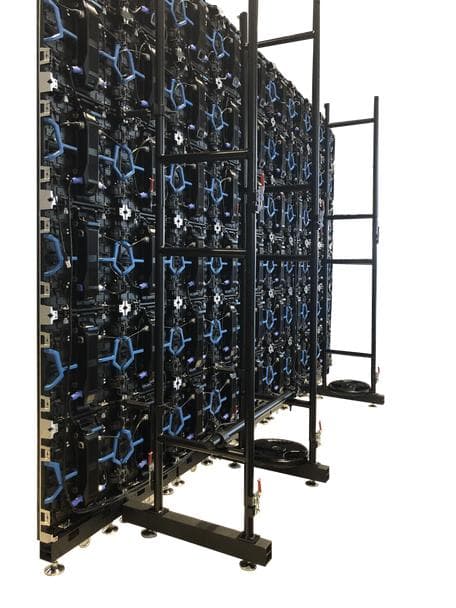
The mounting structure must suit the display dimensions, cabinet configuration, installation height and site conditions. Its design and anchoring should be reviewed for the relevant loads and environment.
Allow for access to components that may require inspection or replacement. Maintenance access should be considered during planning rather than improvised after the display is installed.
Prepare electrical and data connections
Confirm the display's electrical specifications, circuit requirements, cable routes, grounding and protection against electrical faults and surges. Qualified electrical personnel should carry out work according to applicable standards and site requirements.
Plan data connectivity and controller placement. Protect connectors and cable entries in accordance with the system's environmental requirements, and ensure that the installation can be safely isolated for servicing.
Account for rain, dust and heat
Outdoor exposure can affect cabinets, connectors, power supplies and other components. Verify the protection ratings and environmental operating limits of the selected equipment.
Follow the manufacturer's instructions for ventilation, drainage, cleaning and sealing. Incorrect modifications to cabinets or cable entries can undermine environmental protection.
Commission the screen and establish maintenance
Before handover, test the display across its full area, verify content mapping, inspect connections and confirm controller operation. Check brightness settings and review the system under representative operating conditions.
Document the equipment configuration, warranty information, service contacts and shutdown procedure. Establish a maintenance schedule based on the manufacturer's guidance and the environmental conditions at the site.
- Inspect cabinet alignment and mounting security.
- Test the complete display for image or module faults.
- Verify power, control and network connections.
- Confirm safe access and isolation procedures.
- Record warranty details and maintenance responsibilities.
Need more information?
Frequently asked questions
How long does outdoor LED screen installation take?
The timeline depends on screen size, site preparation, structural work, equipment availability, access and commissioning. A supplier should provide a schedule after reviewing the actual site.
Does an outdoor LED billboard need a special structure?
The mounting solution must be appropriate for the display and its location. Elevated and freestanding installations may require engineered structural support and professional review.
Who should connect the screen's electrical supply?
Qualified electrical personnel should handle electrical installation, protection and grounding in accordance with the equipment requirements and applicable regulations.
Planning your next project?
Need help choosing an outdoor LED display?
Explore our LED display solutions or contact Khurana LED to discuss your screen size, installation location and project requirements.